Real‑World Business Model Canvas Examples for Freelancers, Coaches and Startups
The Business Model Canvas (BMC) is one of the most powerful tools I’ve used with clients to transform fuzzy ideas into clear, scalable strategies. Yet many solo‑entrepreneurs and early‑stage founders either skip it entirely or fill it out so vaguely that it becomes just another document in a drawer. This guide fixes that. In the next sections you’ll see inside examples from freelancers, coaches and startups who designed models that actually work, along with the key takeaways you can apply immediately.
A Business Model Canvas forces you to clarify who you serve, what you uniquely offer, how you reach and retain customers, what you need to deliver and how you’ll earn. By studying real examples you’ll see how to avoid vague answers and create a canvas that guides daily decisions.
A Quick Primer: The 9 Building Blocks
If you’re new to the BMC, here’s a refresher. The canvas is split into nine sections. Each block answers a specific question about your business model. The playbook I created explains why these elements matter and provides guiding questions – such as defining the Value Proposition and highlighting the importance of Key Partners. The table below summarises each block and what you need to think about.
| Building block | What it covers | Example from the playbook |
|---|---|---|
| Customer Segments | Who exactly you serve. Be specific. | A freelance brand designer might serve early‑stage startups and local retailers. |
| Value Proposition | The problem you solve and why customers choose you. | A project management app promising automation and workload reduction. |
| Channels | How customers find and receive your product/service. | Using LinkedIn content to attract startup founders and delivering through a shared Notion workspace. |
| Customer Relationships | How you interact with customers before, during and after the sale. | Amazon retains Prime members through continuous benefits. |
| Revenue Streams | How you make money. | Combining one‑off project fees, monthly retainers and passive course sales. |
| Key Resources | Assets (physical, intellectual, human, financial) you need. | Adobe Creative Suite and a portfolio website for a freelance designer. |
| Key Activities | The core tasks that deliver your value proposition. | For a bakery this includes producing fresh bread daily【222875271149269†L103-L104】. |
| Key Partners | External organisations that help you operate efficiently. | A small brand partnering with a manufacturer to avoid building its own facility, or a SaaS company using AWS hosting. |
| Cost Structure | All costs required to operate. | Includes both fixed costs (software, subscriptions) and variable costs (shipping, supplier payments). |
Understanding how these blocks fit together is essential. A consistent BMC prevents you from spending hours on social media when your real revenue driver comes from referrals. Now let’s dive into real‑world examples.
Case Study 1: Freelance Designer Turned Digital Product Seller
Scenario: A freelance graphic designer had been trading hours for dollars for years. She delivered beautiful brand identities, but her income was capped and she was exhausted. Together we used the BMC and the playbook’s prompts to reimagine her model.
Customer Segments & Value Proposition
She realised her best customers were early‑stage e‑commerce founders who needed a cohesive visual identity quickly. Instead of selling generic “design,” her value proposition became “Get a complete brand package in 10 days, including logo, colour palette and social templates, designed to attract early customers and investors without the agency price tag.” This aligns with the playbook’s advice to clarify why customers choose you.
Channels & Customer Relationships
To reach this niche she doubled down on LinkedIn posts and case‑study articles (channels). Clients received their final files via a shared Notion workspace (delivery channel). During the project she provided high‑touch, personal support, then moved to a self‑service model post‑delivery, similar to the playbook’s example of transitioning from personal assistance to self‑service.
Revenue Streams
Rather than charging purely for time, she introduced three revenue streams:
- One‑off brand packages (premium pricing for speed and quality).
- Monthly retainer for brand maintenance, templates, new graphics, quarterly refreshes.
- Digital product shop selling social media template packs and e‑commerce brand kits.
This shift mirrors the playbook’s suggestion to diversify revenue streams – one‑time sales, subscriptions and passive income.
Key Resources, Activities & Partners
Her key resources were design software, a growing library of templates, and her personal brand reputation. Key activities included client onboarding, design production, marketing content and managing her digital product store. Key partners included:
- Print‑on‑demand platform for physical merchandise.
- Cloud hosting (AWS) for storing large design files – the playbook emphasises using specialised partners to increase efficiency.
- Virtual assistant to handle inquiries and template uploads.
The result? Within six months her average revenue tripled and she no longer felt like she was “selling hours.”

Case Study 2: Subscription‑Based Meal Kit for Busy Professionals
Scenario: Two friends wanted to launch a weekend side‑business delivering meal kits to busy professionals in Yerevan. They had a passion for cooking but were unsure how to turn it into a scalable business. We used the BMC to outline a model that balanced convenience and quality.
Customer Segments & Value Proposition
Their target customers were working parents and young professionals who wanted home‑cooked meals without shopping or meal planning. The value proposition: “Affordable, 30‑minute meal kits featuring locally sourced ingredients, delivered weekly with zero waste.” Notice how it addresses convenience and freshness, reflecting the types of value propositions (performance, convenience, sustainability) described in the playbook.
Channels & Customer Relationships
They attracted customers through Instagram and a referral programme. Delivery happened via a local courier service partnered with the business. Customer relationships were maintained through:
- Personalised weekly emails with recipes and cooking tips.
- A loyalty programme offering free kits every tenth order.
- Feedback surveys after each delivery to refine offerings.
Revenue Streams
- Subscription fees (weekly or monthly).
- One‑time sample kits for trial users.
- Upsells such as premium dessert add‑ons and cooking classes.
Key Resources, Activities & Partners
Key resources included refrigeration equipment, relationships with local farmers and packaging supplies. Key activities were recipe development, sourcing ingredients, packing kits and coordinating deliveries. Key partners were crucial: a local farmer’s cooperative supplied seasonal produce, while a delivery app (similar to the bakery/Uber Eats example) provided last‑mile logistics. They outsourced IT to a third‑party developer to maintain their ordering platform.
Cost Structure
Costs included ingredient purchases, packaging, delivery fees, website hosting and marketing. By negotiating bulk deals with suppliers and outsourcing technology (as the playbook recommends for lowering costs), they kept variable costs low.
Outcome: Within a year the subscription base grew to 500 households. Customers appreciated the convenience and the locally sourced ingredients. Because costs were primarily fixed (kitchen rental, staff), margins improved as volume increased – demonstrating operating leverage similar to the SaaS example where serving the 10 000th customer costs little more than serving the 1 000th.
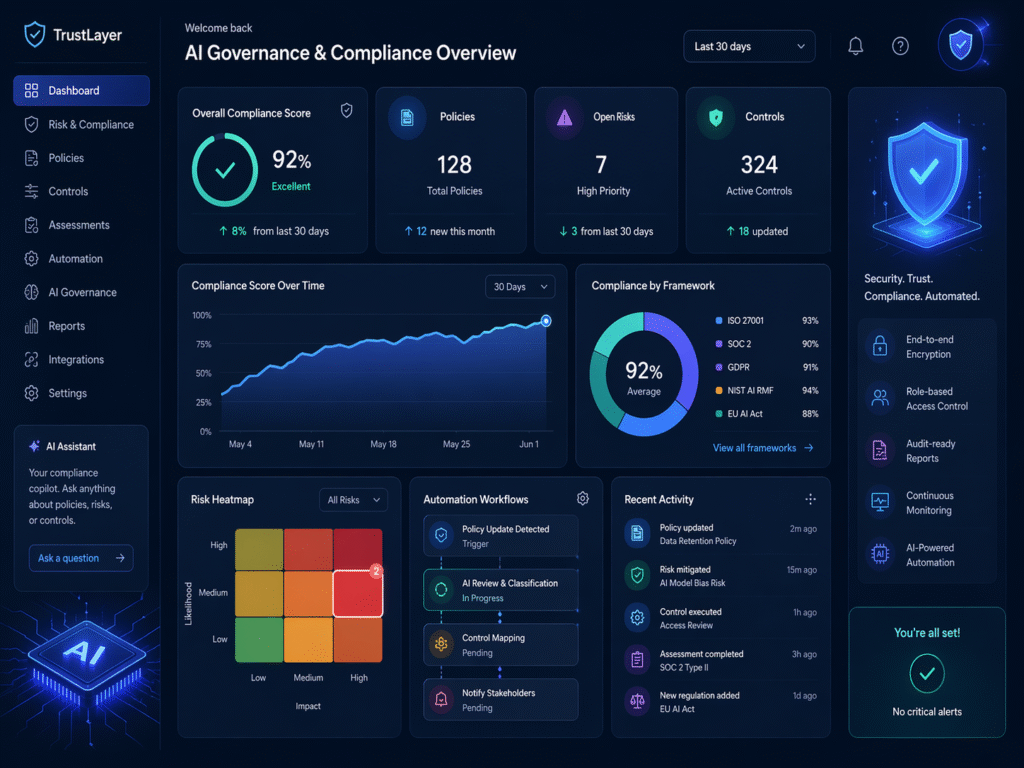
Case Study 3: AI‑Powered Compliance SaaS for SMEs
Scenario: A tech startup saw a gap in the market: small and medium enterprises (SMEs) were overwhelmed by constantly changing regulations, from GDPR to environmental mandates. The founders wanted to build an automated platform that would monitor, update and implement compliance requirements directly into clients’ systems.
Customer Segments & Value Proposition
They targeted SMEs with high regulatory exposure (e.g., biotech, construction firms). The value proposition: “A plug‑and‑play compliance engine that keeps your business up‑to‑date with evolving laws, automatically updates workflows and provides an audit trail for every decision.” It addresses pain points like risk reduction, time savings and peace of mind.
Channels & Customer Relationships
Acquisition channels included targeted LinkedIn outreach to CFOs, speaking at industry webinars and partnering with ERP providers. Onboarding was handled via in‑app tutorials and dedicated account managers. Customer relationships were subscription‑based with a high‑touch support layer – a mix of automated service and personal assistance.
Revenue Streams
The core revenue stream was a subscription licence with tiered pricing based on company size and number of regulations monitored. Add‑on revenue came from custom integration services and compliance workshops.
Key Resources, Activities & Partners
Key resources were the proprietary compliance database, AI models, and engineering talent. Key activities included continuously updating regulatory rules, maintaining algorithms and customer onboarding. Partners were critical for scale: the startup partnered with ERP vendors to integrate seamlessly, and with law firms for expert insights – echoing the playbook’s emphasis on strategic alliances and joint ventures.
Scalability Lessons
This example demonstrates the three dimensions of scalability described by Presta’s 2026 framework:
- Technical architecture: The platform was built on cloud infrastructure that scales horizontally (e.g., using Shopify’s cloud‑native stack for commerce applications). This avoids having to re‑engineer when user numbers increase.
- Economic architecture: The marginal cost of serving the 1 000th customer is nearly identical to serving the 10 000th, creating operating leverage.
- Distribution architecture: Instead of relying solely on paid ads, the team built a referral network with ERP partners, creating a proprietary distribution moat.
Outcome
Within two years the company reached $5 million in annual recurring revenue with a team of just 20 people, achieving more than $250 000 revenue per employee – in line with Presta’s benchmark of $300 000 per employee for scalable startups. Their Business Model Canvas made it clear where to invest (AI, compliance updates) and which partnerships would unlock distribution.
Key Takeaways Across All Examples
- Start with the customer and value proposition. Each example began by identifying a specific segment and defining a clear transformation. The playbook reminds us that value propositions should highlight what makes you unique and why customers should care.
- Diversify revenue streams. Don’t rely on a single income source. Mix one‑time sales, subscriptions and passive income. This reduces risk and increases stability.
- Leverage partnerships to scale. Whether it’s AWS hosting, local farmers, or ERP vendors, partnering allows you to access specialised expertise and distribution channels, reducing risk and cost.
- Design for scalability. Decouple revenue from hours. Build systems and products where serving the 10 000th customer doesn’t cost much more than serving the first. The compliance SaaS example shows how operating leverage and unit economics determine whether a business can reach “escape velocity”.
- Use the canvas as a living document. A BMC isn’t a one‑time exercise; update it whenever your business evolves. The playbook emphasises that your canvas should be reviewed regularly to reflect new partnerships, pricing and customer feedback.
How to Apply These Lessons to Your Business
- Download the free BMC template: Start by mapping your current model. Grab the free Notion Business Model Canvas template from our How to Fill Out Each Section of the Business Model Canvas article. It includes prompts for every block and a quarterly review checklist to keep your model up‑to‑date.
- Fill in each block honestly: Use the guiding questions from the playbook. Identify who your best customers are, what transformation you deliver, how you reach them, and how you make money. Don’t settle for generic answers. Precise details reveal hidden opportunities and misalignments.
- Look for misalignments: Once your canvas is filled out, ask yourself if your key activities support your value proposition, whether your channels match where your customers spend time, and whether your revenue model aligns with the value you deliver. Adjust accordingly.
- Test and iterate: Use feedback from real customers. The marginal cost of experimentation is lower than ever thanks to AI and low‑code tools. Run small tests before investing heavily.
Ready to See More Examples?
If you found these examples helpful, you’ll love the Business Model Canvas Playbook. It contains 90+ pages of step‑by‑step guidance, strategic prompts and dozens of examples across industries, including key partners, activities, resources and cost structure insights. You can download a free preview (the Key Partners section) by entering your email on the playbook page. This preview includes sample templates and deeper explanations of partnership types like strategic alliances and joint ventures.
What You’ll Get in the Full Playbook
- Detailed explanations of every BMC block with guiding questions.
- Real‑world examples across industries to inspire your own model.
- 3 ready‑to‑use templates (Notion, Canva, printable PDF).
- Bonus checklists and worksheets to keep your canvas current.
The playbook has helped many freelancers, coaches and startups build structured, scalable businesses. It’s a complete strategy system, not just another template. Get the preview and see it for yourself.
Explore Pricing & Revenue Strategies Next
Understanding your pricing and revenue streams is critical once you’ve designed your canvas. For a deeper dive into this topic, read our article How to Fill Out Each Section of the Business Model Canvas (With Examples). That guide walks you through each block step by step and includes a whole section on setting your prices and diversifying revenue. It’s the perfect next step after you complete your canvas.
Conclusion
The Business Model Canvas isn’t just an academic exercise – it’s a living framework that clarifies how your business creates, delivers and captures value. By studying real‑world examples and applying the lessons to your own context, you can design a model that scales without burning out. Remember to start with the customer, diversify your income, leverage partnerships and build systems that decouple revenue from hours. Finally, don’t forget to download your free playbook preview and explore our pricing & revenue strategies article. Your future business clarity starts now.