Case Study: How a Freelance Agency Scaled From Chaos to Clarity
They were drowning in clients, missed deadlines, and burnout, until one framework changed everything.
Three months into working with me, Mary told me something that stopped me mid-sentence.
“I used to cry in the bathroom before team calls,” she said. “Not because anything dramatic happened. Just because I had no idea what was actually going on in my own business.”
Mary ran a seven-person freelance content agency. She had clients. She had revenue. She had a team. On paper, she was succeeding. In reality, she was the bottleneck, the firefighter, and the burnout risk, all at once.
By the time we wrapped up our work together, her agency had doubled its monthly retainer revenue, reduced her personal working hours by 30%, and onboarded two new clients without her being the one managing the chaos.
This is the story of how that happened, and what you can replicate right now.
Situation: A Business Running on Memory and Panic
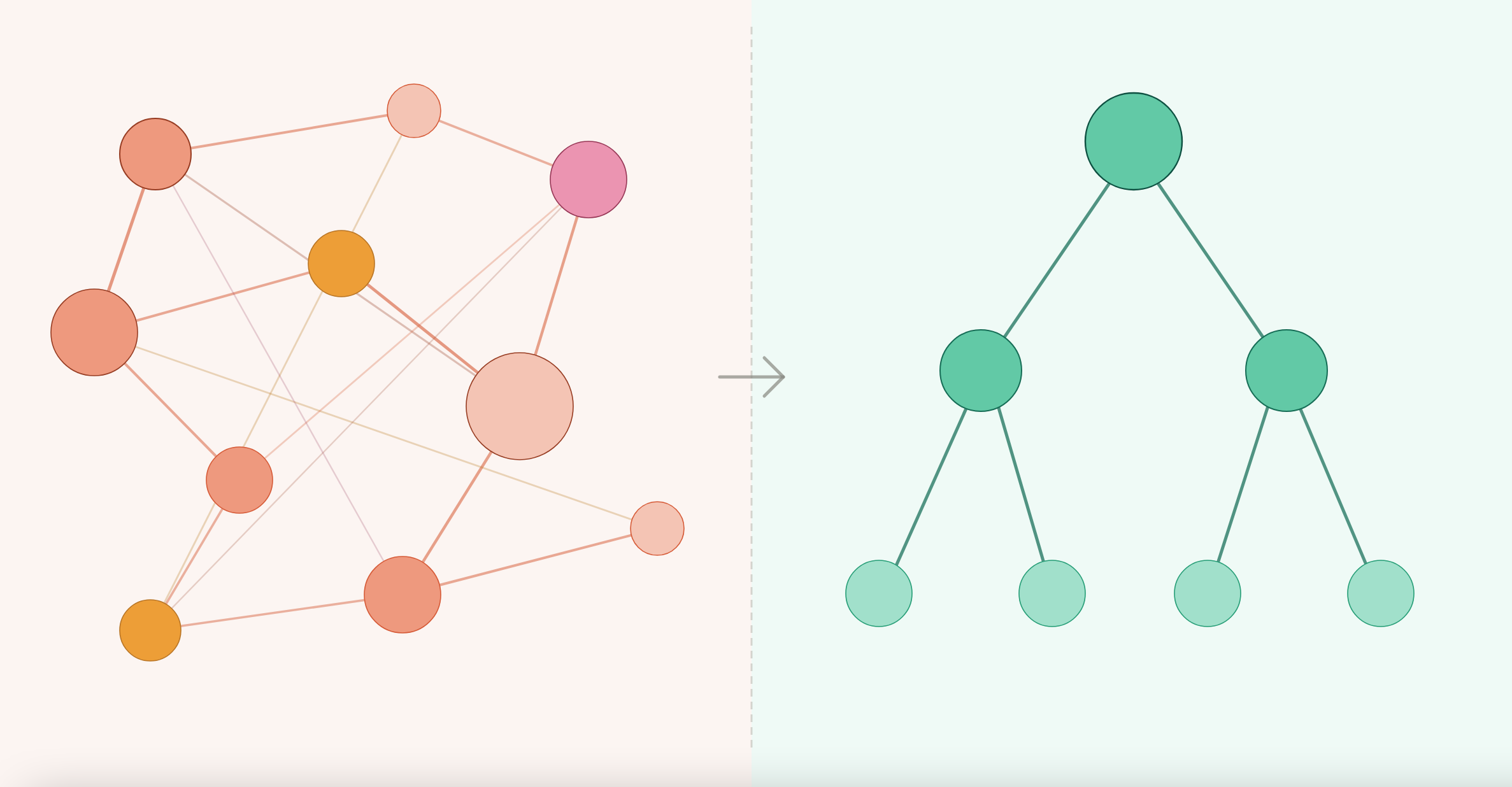
When Mary first reached out, she described her agency as “organized chaos.” I hear this phrase a lot. What it usually means is: things are running, barely, because the founder is holding everything together through sheer willpower and institutional memory.
In Mary’s case, that looked like this:
- Project deadlines lived in her head, not in any shared system
- Client communication happened across email, WhatsApp, Instagram DMs, and the occasional Slack thread
- Onboarding a new team member took weeks because nothing was written down
- Invoicing was reactive, she’d bill when she remembered, not on a schedule
- She was doing final quality checks on every deliverable because she didn’t trust the process
Her team wasn’t underperforming. Her clients weren’t leaving. But growth had hit a wall, and everyone, including Mary, was exhausted.
The business wasn’t broken. It was just built entirely around one person, and that person was running out of capacity.
Task: Build a Business That Works Without You at the Center
The goal wasn’t to redesign Mary’s entire agency from scratch. That’s a mistake I see consultants make too often, they blow everything up and rebuild, and the founder loses momentum and confidence in the process.
Instead, we set a focused objective:
In 90 days, create enough operational clarity that Mary could take a full week off, without the business falling apart.
That became our north star. Every system we built, every process we documented, every tool we introduced had to answer one question: Does this move us closer to a business that runs without Mary as the daily operator?
Simple, measurable, and grounding.
Action: The Four-Layer Systemization Sprint
We structured the work into four layers, tackled in sequence. Trying to do everything at once is how transformation projects stall. Sequence matters.
Layer 1: Visibility, Know What’s Actually Happening
Before you can fix anything, you need to see everything.
We built a single Notion-based command center that became the agency’s source of truth. Every active project, every client, every deadline, every team member’s current workload, visible in one place, updated daily.
This alone took two weeks to implement properly. But within the first week, Mary reported something unexpected: she felt calmer. Not because anything had changed operationally. But because she could see the business instead of holding it in her head.
Visibility is underrated as a first step. It reduces anxiety before it reduces workload.
Layer 2: Communication Architecture, One Channel, One Purpose
We audited every communication channel and killed redundancy.
The rule became simple: client communication goes through email, team communication goes through Notion comments and a weekly sync, everything else is noise.
WhatsApp was officially retired for business use. Instagram DMs got an auto-response pointing clients to email. Slack threads were consolidated.
This felt uncomfortable at first, Mary worried clients would feel dismissed. Instead, response time improved because she actually checked one place instead of four.
Layer 3: Process Documentation, Make the Invisible Visible
This is the step most agency owners skip because it feels slow. It’s also the step that creates the most long-term leverage.
We documented five core processes in plain language:
- New client onboarding (from signed contract to first deliverable)
- Weekly project check-in protocol
- Content review and approval workflow
- Invoicing schedule and follow-up sequence
- Team task assignment and deadline-setting
Each document was written as a step-by-step checklist, not a wall of text. The standard we held was: could a competent new hire follow this on Day 1 without asking Mary a single question?
The answer, initially, was no. But after two revision rounds, yes.
Layer 4: Delegation With Guardrails
The final layer was the hardest, not technically, but emotionally.
Mary had to let go of final approval on everything. She had to trust the process she’d built instead of herself as the safety net.
We introduced a tiered decision framework:
- Tier 1 decisions (minor edits, scheduling, client check-ins): team handles autonomously
- Tier 2 decisions (scope changes, new deliverable types, budget adjustments): team flags, Mary reviews within 24 hours
- Tier 3 decisions (new client contracts, team hires, strategic pivots): Mary owns fully
This framework removed the “just ask Mary” default that had quietly made her the bottleneck for everything.
Result: Numbers, and What They Can’t Capture
At the 90-day mark, here’s what had changed:
- Monthly retainer revenue: up 40%: not from a sales push, but because Mary finally had capacity to pursue and onboard new clients properly
- Mary’s direct working hours: down 30%: from approximately 55 hours/week to 38
- Team autonomy: measurably higher: team members were making Tier 1 decisions daily without checking in
- Client satisfaction: stable to improved: two clients specifically mentioned feeling like the agency had “leveled up”
And Mary took a five-day vacation. Her first in three years. The agency ran fine.
But here’s what the numbers don’t capture: the shift in how Mary showed up as a leader. When you’re no longer fighting fires, you start thinking strategically. She began pitching bigger clients. She started building a referral network. She got curious about what the business could become, instead of just whether it would survive the week.
That mental shift? It’s the real ROI of systemization.
When you’re no longer fighting fires, you start thinking strategically. That mental shift is the real ROI of systemization.
Key Takeaways
If you take nothing else from this case study, take these:
- Chaos is usually a visibility problem before it’s a process problem. Start by making the invisible visible.
- One channel, one purpose. Communication sprawl quietly kills agency efficiency. Consolidate ruthlessly.
- Documentation is not bureaucracy, it’s freedom. Every process you write down is a task you eventually stop doing yourself.
- Delegation without structure is abdication. The tiered decision framework is what makes letting go feel safe.
- The goal is not to work less, it’s to work on the right things. Systemization creates capacity, and capacity is how you grow.
Every process you write down is a task you eventually stop doing yourself.
Tools Used
- Notion: project management, documentation, and the central command center
- Gmail + Notion Comments: consolidated communication channels
- Calendly: client meeting scheduling (removed back-and-forth entirely)
- Toggl Track: time tracking to surface where hours were actually going
- Wave: automated invoicing and payment reminders
None of these tools are magic. The system is what matters. The tools just hold the system.
Next Steps: What You Can Do This Week
You don’t need a 90-day sprint to start. You need one honest hour.
This week, do three things:
- Write down every channel where client or team communication currently lives. Count them. If the number is more than two, you have a consolidation problem.
- Pick one core process, onboarding, invoicing, project handoff, and document it as a checklist. Don’t make it perfect. Make it exist.
- Identify the one decision you make daily that someone else could make. That’s your first delegation target.
Small moves, compounded. That’s how the transformation actually happens.
Ready to Go From Chaos to Clarity?
If Mary’s story sounds familiar, if you’re the bottleneck in your own business and you know it, this is exactly the work I do.
I offer a focused engagement called the Structured Growth Intensive: a high-touch consulting experience designed to build the systems, processes, and decision frameworks your business needs to grow without burning you out.
It’s not for everyone. It’s for founders who are already moving, already generating revenue, and ready to build something that runs with intention.
Applications are open now. You can learn more and apply at saramoradi.com.
Warmly,
Business Consultant & Systemization Coach Helping small businesses grow with structure, strategy, and smart tools.